



Discount Goalkeeper Gloves and Free Shipping This Weekend
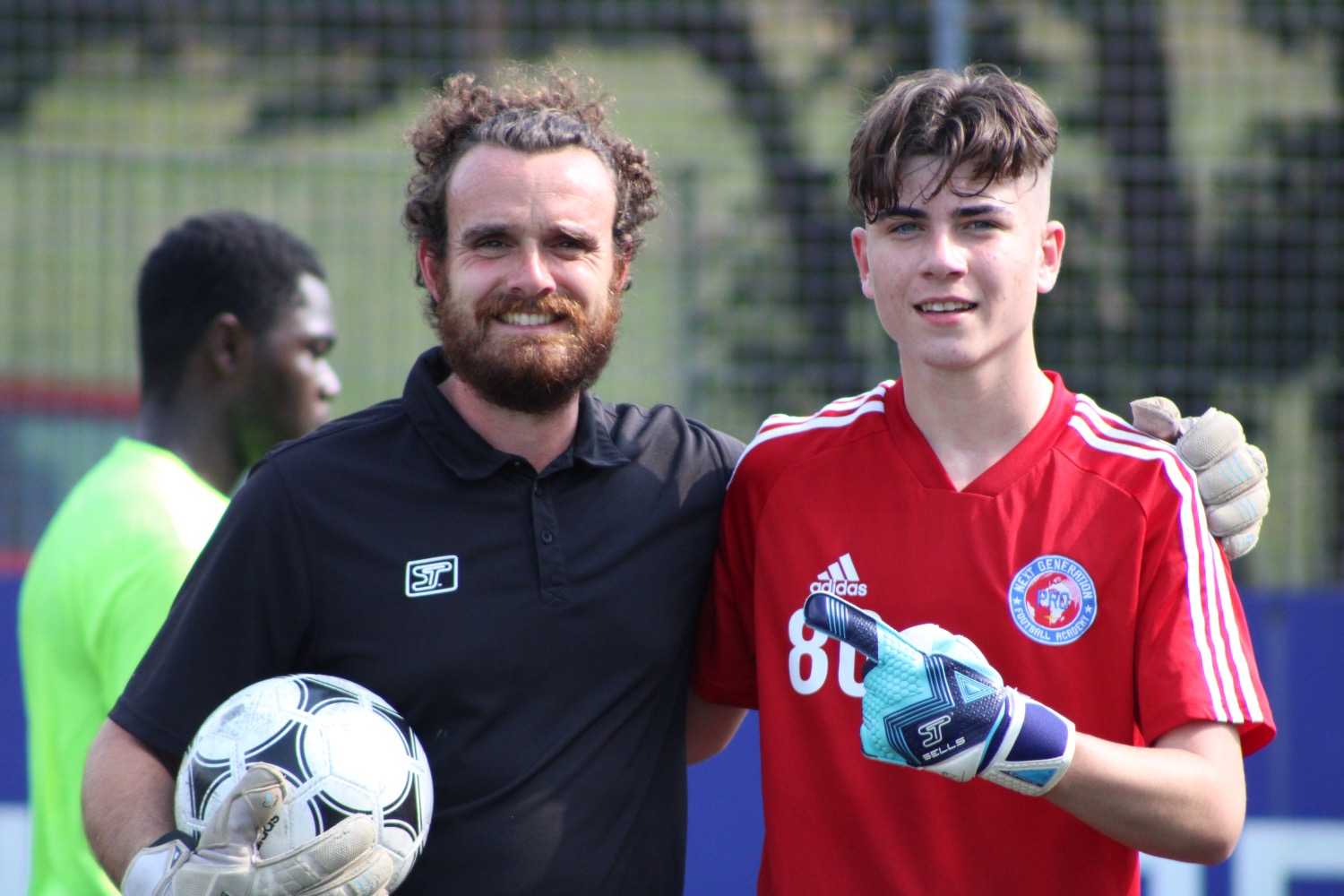
A good pair of goalkeeper gloves can change how confident a keeper feels before the first shot even arrives. The right grip, fit and padding help with handling, diving, punching and claiming crosses. The wrong pair can feel bulky, slippery or loose at the exact moment they need to feel natural.
This weekend is a strong time to upgrade. Our discount goalkeeper gloves and free shipping this weekend offer makes it easier to pick up a fresh match pair, a reliable training pair or a spare set for the kit bag without paying extra for delivery.
Whether the gloves are for a regular league keeper, a young player moving up a size, or someone preparing for pre-season, the aim is simple: get dependable gloves at a better price while the free shipping window is open.

Why this weekend is a smart time to buy
Goalkeeper gloves wear faster than most pieces of football kit. Boots may last a season or more, but gloves take direct contact on every save, catch and dive. Latex palms grip brilliantly when they are fresh, yet they also pick up scuffs from turf, dirt, studs and repeated impact.
That makes a discount weekend useful, especially if a keeper plays or trains often. One pair can be kept for matches, while another handles weekly sessions where the ball, ground and weather are less forgiving.
Free shipping also matters because gloves are often a planned but repeat purchase. Delivery charges can make a reduced pair feel less like a proper saving. Removing that cost for the weekend keeps the offer simple.
This is a good moment to:
Replace worn match gloves before they fail at the wrong time
Buy training gloves so premium palms last longer
Pick up the next youth size before a growth spurt catches everyone out
Add a wet-weather or spare pair to the kit bag
Try a different cut or finger protection style at a lower cost
The best value does not always come from the cheapest pair. It comes from buying gloves that fit the way the keeper plays, then using them in the right setting.
How to choose the right goalkeeper gloves in the sale
A discount helps, but it should not be the only reason to choose a pair. Goalkeeper gloves vary in grip, cut, finger support, durability and feel. A pair that suits one keeper may feel wrong to another.
Start with the role the gloves need to play.
Match gloves should put grip first
For match day, most keepers want the best possible handling. Latex quality and palm feel matter here. Softer palms usually give better grip, especially on clean balls and well-kept pitches, but they tend to wear more quickly.
That is normal. High-grip palms are built for performance, not endless scraping across hard ground.
A match pair should feel secure around the fingers without squeezing them. The wrist strap should hold the glove in place when catching, parrying or punching. If the glove shifts during a save, the fit is not right.
Good match gloves are ideal for:
League and cup games
Trials and tournaments
Important school or club fixtures
Keepers who value clean handling above long-term wear
Training gloves should handle more punishment
Training gloves need a different balance. They still need grip, but they also need to stand up to repeated drills, artificial surfaces, rougher ground and high-volume shot practice.
Many keepers use an older match pair for training, which can work for a short time. The trouble is that a badly worn palm teaches poor habits. The ball spills more often, the keeper starts snatching at shots, and confidence drops.
A dedicated training pair can protect the match gloves and give more consistent sessions.
Training gloves are useful for:
Weekly club training
Goalkeeper coaching sessions
School practice
Five-a-side and casual games
Artificial grass and harder surfaces
A spare pair is not a luxury
A spare pair sounds optional until the first pair gets soaked, torn or left behind. For regular keepers, having a backup in the bag is a simple way to avoid stress.
It also helps in wet weather. Wet gloves can perform well when prepared properly, but once they become heavy, muddy or damaged, a second pair can save the session.
A weekend discount is a good chance to buy that backup without paying full price.

Match the glove cut to the keeper’s style
The cut affects how the glove wraps around the fingers and how much contact the palm has with the ball. This is one of the main reasons two gloves in the same size can feel completely different.
Glove cut | Feel | Best for |
Flat cut | Roomier, more traditional fit | Keepers who like space around the fingers |
Roll finger | Latex wraps around the fingers | Keepers who want a larger catching surface |
Negative cut | Snug, close fit with internal stitching | Keepers who like a tighter, more controlled feel |
Hybrid cut | Mixes features from different cuts | Keepers who want balance between grip and comfort |
A younger keeper may prefer a slightly roomier glove because it feels familiar and easy to put on. A more experienced keeper may choose a tighter negative cut because it gives better contact and control.
There is no single best cut for everyone. The best glove is the one that feels natural when catching, setting the hands and moving quickly from save to save.
Think about finger protection before buying
Some goalkeeper gloves include finger protection, sometimes called finger spines or finger saves. These supports sit along the back of the fingers and reduce backward bending.
They can be helpful for keepers who want extra support, especially younger players or those facing powerful shots. They may also give confidence when returning after a finger knock, although anyone dealing with injury should follow proper medical advice.
Finger protection is not for every keeper. Some players feel it makes the glove stiffer. They may prefer the freedom of a more flexible glove, especially if they rely on soft hands and close ball control.
A simple way to choose:
Choose finger protection if
You want a more supported feel, face strong shots, or prefer extra structure.
Choose flexible gloves if
You want maximum feel, quicker hand movement, and a softer catching shape.
For junior keepers, comfort matters most. If a glove feels too stiff, they may fight against it during catches. If it feels supportive and natural, finger protection can be a smart feature.
Get the size right before the weekend ends
Sizing is where many glove purchases go wrong. A glove that is too small can pinch the fingers and split sooner. A glove that is too large can twist at the palm and make catches feel messy.
The fingertips should have a little room, but not so much that the keeper loses control. The palm should sit flat when the hand opens. The wrist should fasten firmly without cutting into the skin.
A few practical checks help:
The fingers should reach close to the end without being jammed in
The palm should not bunch heavily when the hand closes
The thumb should sit naturally without pulling sideways
The wrist strap should secure the glove without needing to be forced
The keeper should be able to make a catching shape comfortably
If the gloves are for a child, avoid sizing up too much for growth. A slightly bigger glove may last longer in theory, but a poor fit can make catching harder straight away. For a position that relies on confidence, fit should come first.

Pick gloves for the surface and weather
British football often means changing surfaces and changeable weather. A glove that feels perfect on a dry grass pitch may wear quickly on rough artificial turf. A palm that grips well in dry conditions may need proper dampening before use in rain.
For natural grass, match-focused gloves with soft latex can work very well. For artificial grass, durability becomes more important. Artificial surfaces can be harsh on palms, especially when keepers dive often.
Weather also changes the feel of the glove.
In dry conditions, the palm may need light dampening to keep the latex active. In wet conditions, gloves often need careful towel drying during breaks so they do not become too heavy or slick.
A practical glove setup could look like this:
One high-grip pair for matches on grass
One tougher pair for training and artificial pitches
One spare pair for rain, damage or back-to-back fixtures
This setup helps keep the best pair fresh for the games that matter most.
Look after the gloves once they arrive
Buying discounted gloves is only part of the value. Looking after them can improve feel and extend their useful life.
New gloves often perform better after a gentle pre-wash. This helps remove manufacturing residue from the latex palm. Use lukewarm water and avoid harsh soaps. Squeeze gently rather than twisting the gloves hard.
After matches or training, clean mud and grit from the palms as soon as practical. Dirt dries into the latex and reduces grip. Let the gloves air dry naturally, away from radiators, direct heat and strong sunlight.
A simple care routine works best:
Rinse the palms in lukewarm water after use
Gently remove loose dirt with your fingers
Squeeze out water without wringing
Let the gloves dry at room temperature
Store them with the palms not stuck together
Never throw quality gloves loose into a muddy kit bag and forget about them. That is the fastest route from good grip to cracked latex.
How to get the best value from the weekend offer
A sale can make it tempting to grab the first reduced pair, but a little planning leads to a better buy.
Think about the keeper’s next few months. Are there league matches coming up? More training on artificial grass? A tournament weekend? A step up in age group, where shots are harder and the ball moves faster?
Then choose based on need.
If the current gloves are badly worn, prioritise a new match pair. If the match pair still has life left, buy training gloves to protect them. If the keeper already has both, a spare pair could be the smartest purchase.
For parents buying for young goalkeepers, check the current glove size before ordering. Children can move through sizes quickly, and gloves that fitted in autumn may feel short by spring.
For adult keepers, this is a good chance to try a preferred cut in a fresh palm or stock up on a trusted style while shipping is free.
The weekend deal keeps the choice simple: better prices on gloves, with delivery included nationwide.

Make the save before the offer is gone
Goalkeeper gloves work hard. They take the impact, the friction, the mud and the weather so the keeper can focus on the next ball. When the palms start to fade, confidence can fade with them.
This weekend is a practical time to refresh the kit bag. Choose the gloves that match the way they will be used, check the fit carefully, and think beyond one fixture. A fresh match pair, a tougher training pair or a dependable spare can all make the season feel easier.
Free shipping makes the decision cleaner, especially for keepers who already know they need new gloves soon. Pick the right pair while the weekend offer is live, then look after them from the first session. A little care turns a good discount into better value every time the ball comes in.


Comments